
Last updated November 2, 2026
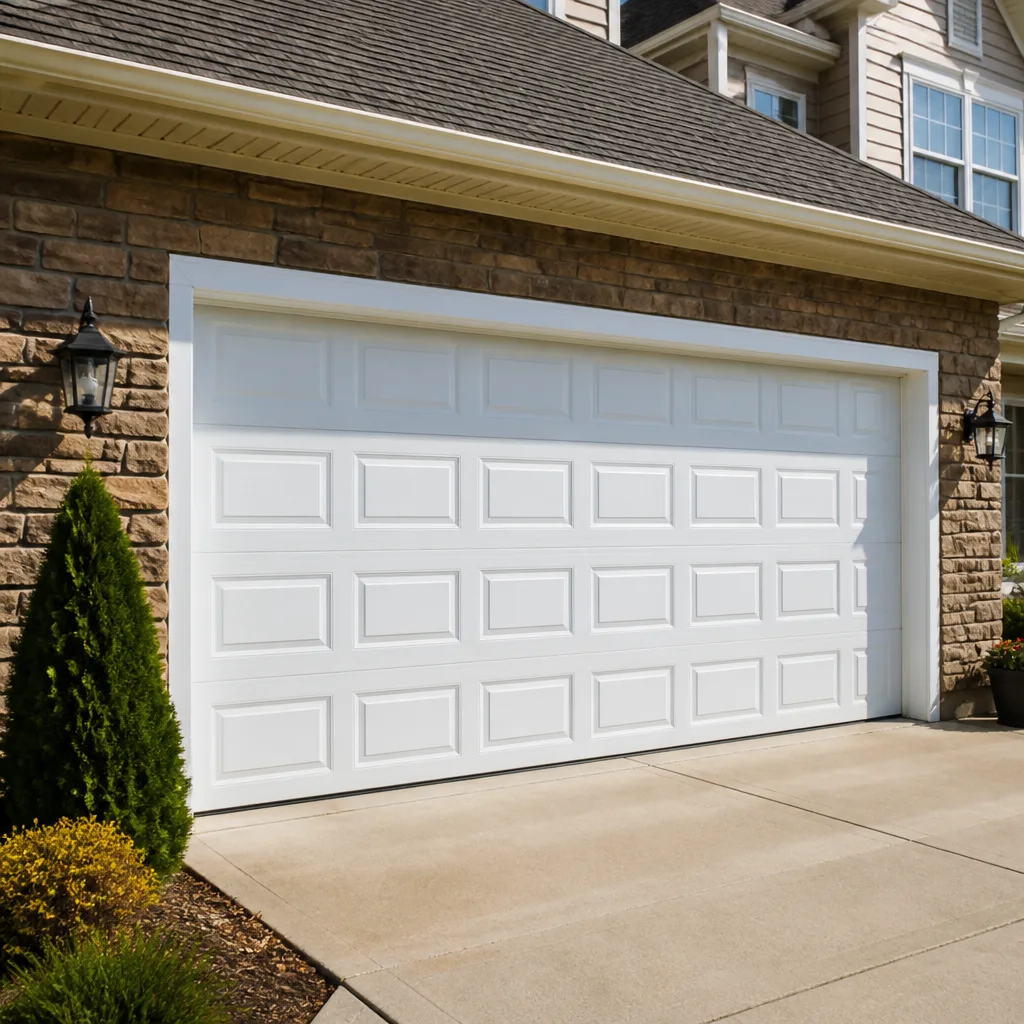 Raised-panel steel
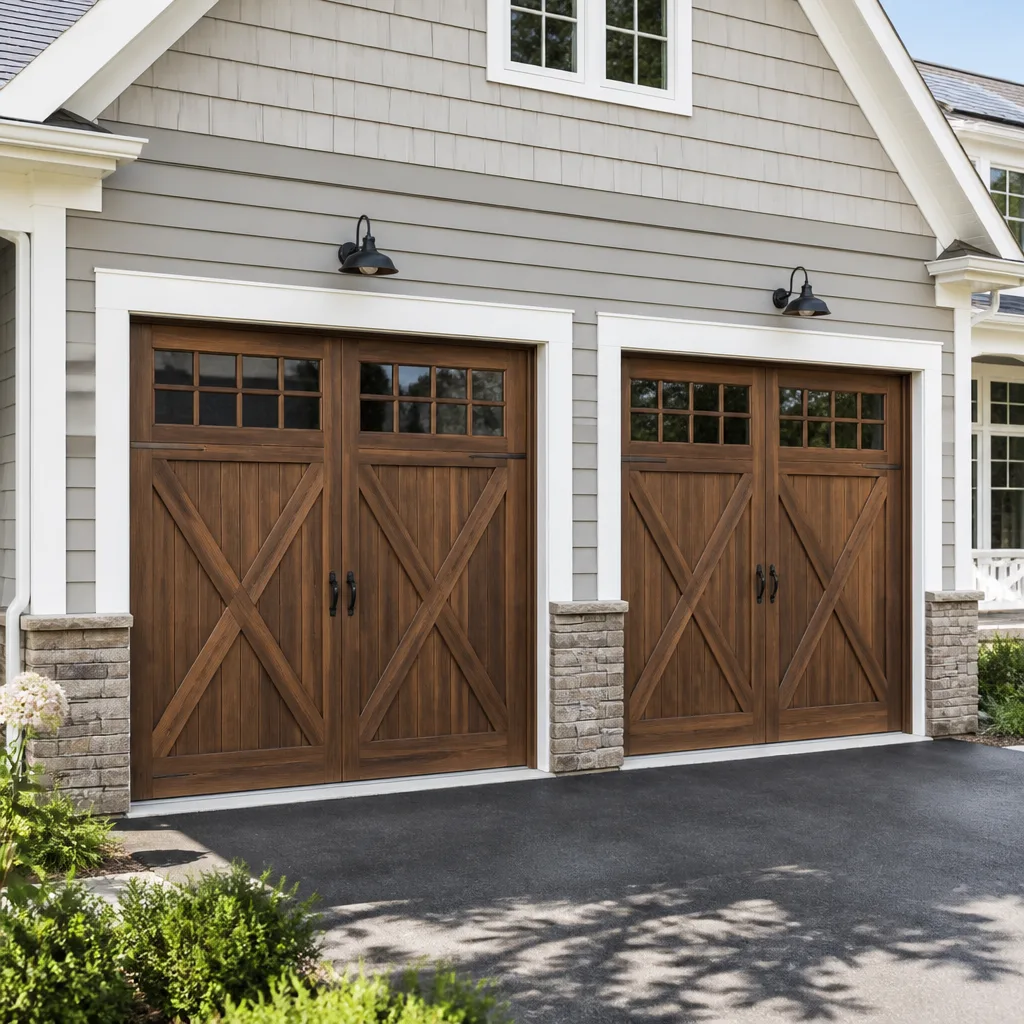 Carriage house
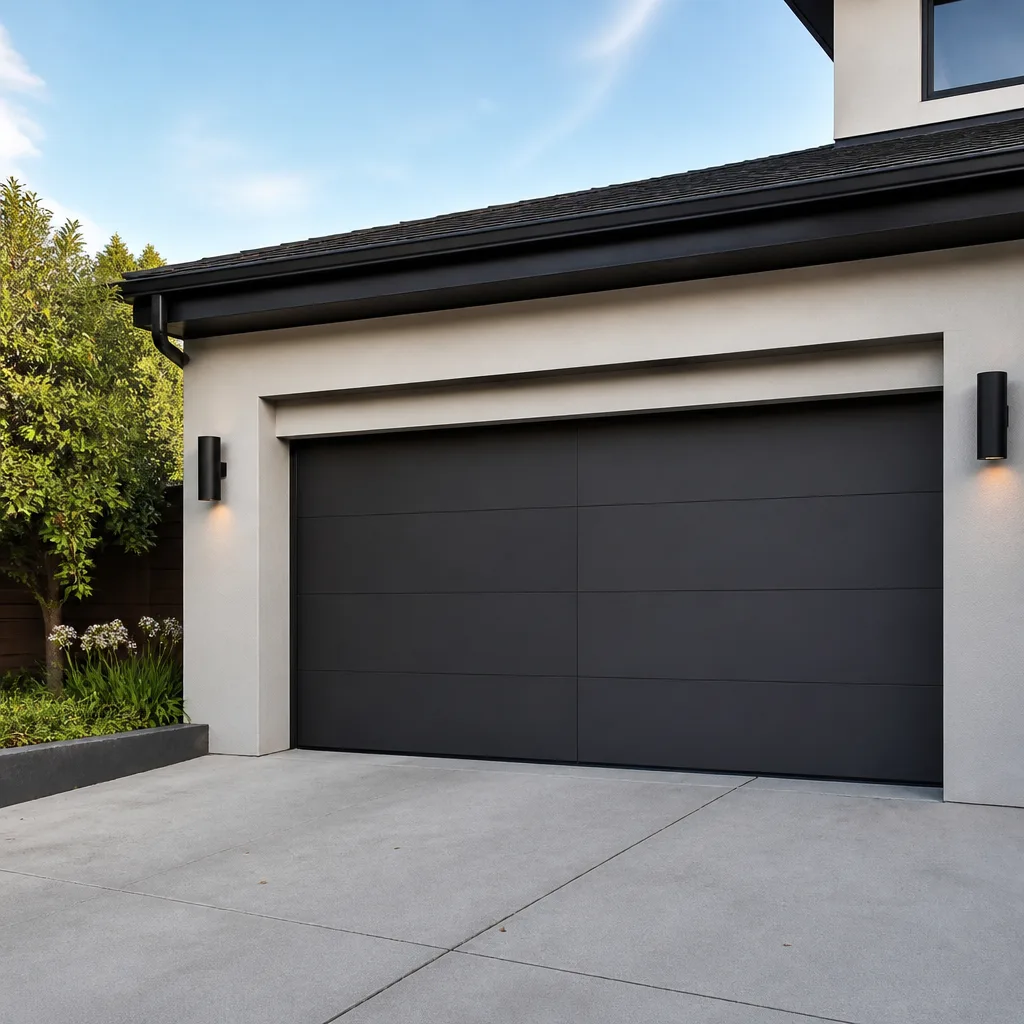 Modern flush
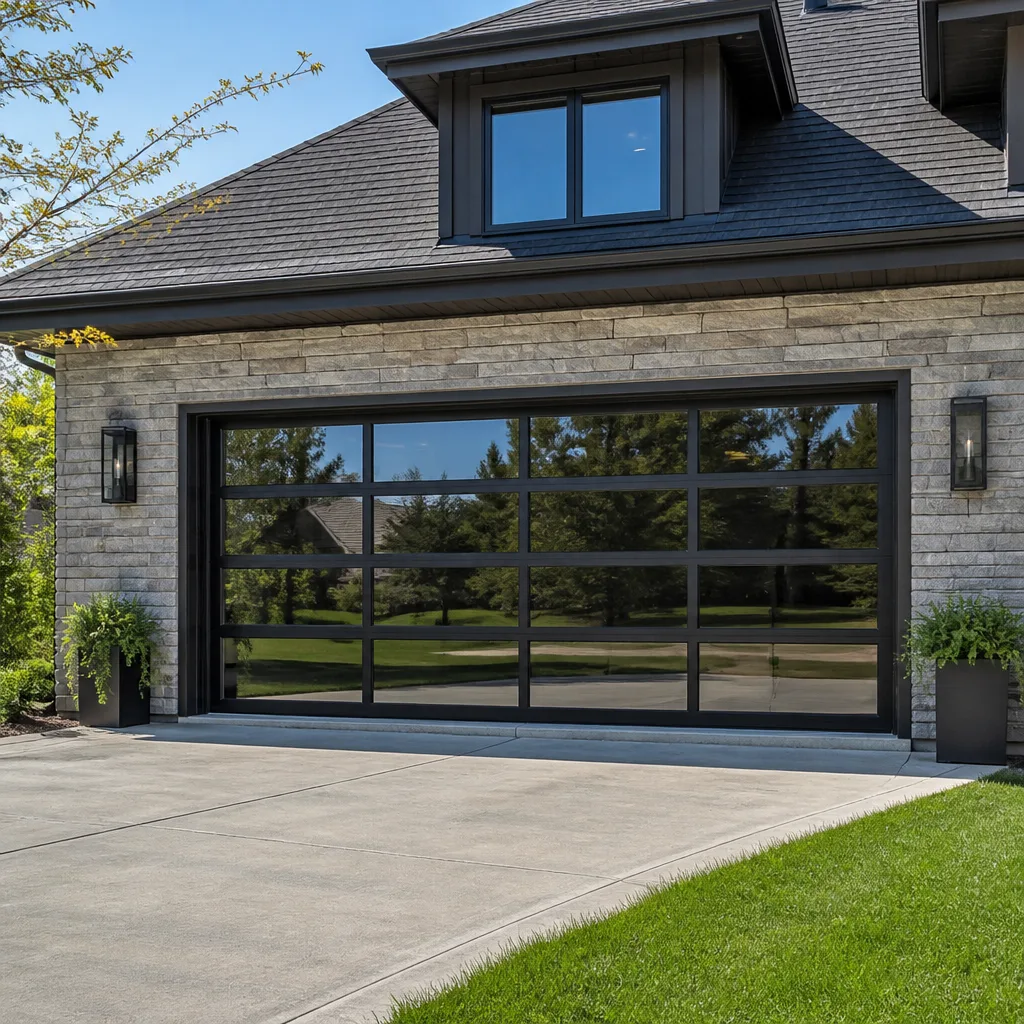 Full-view glass
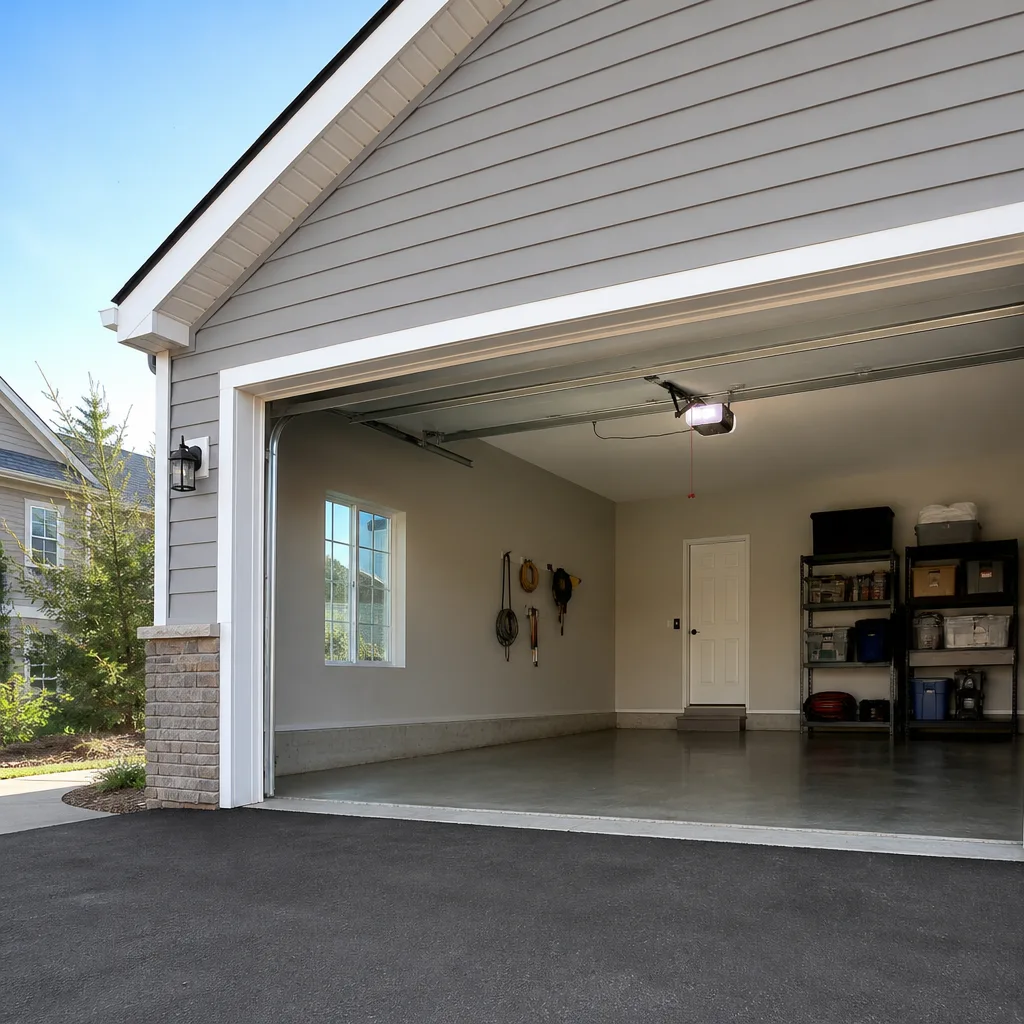 LiftMaster openers
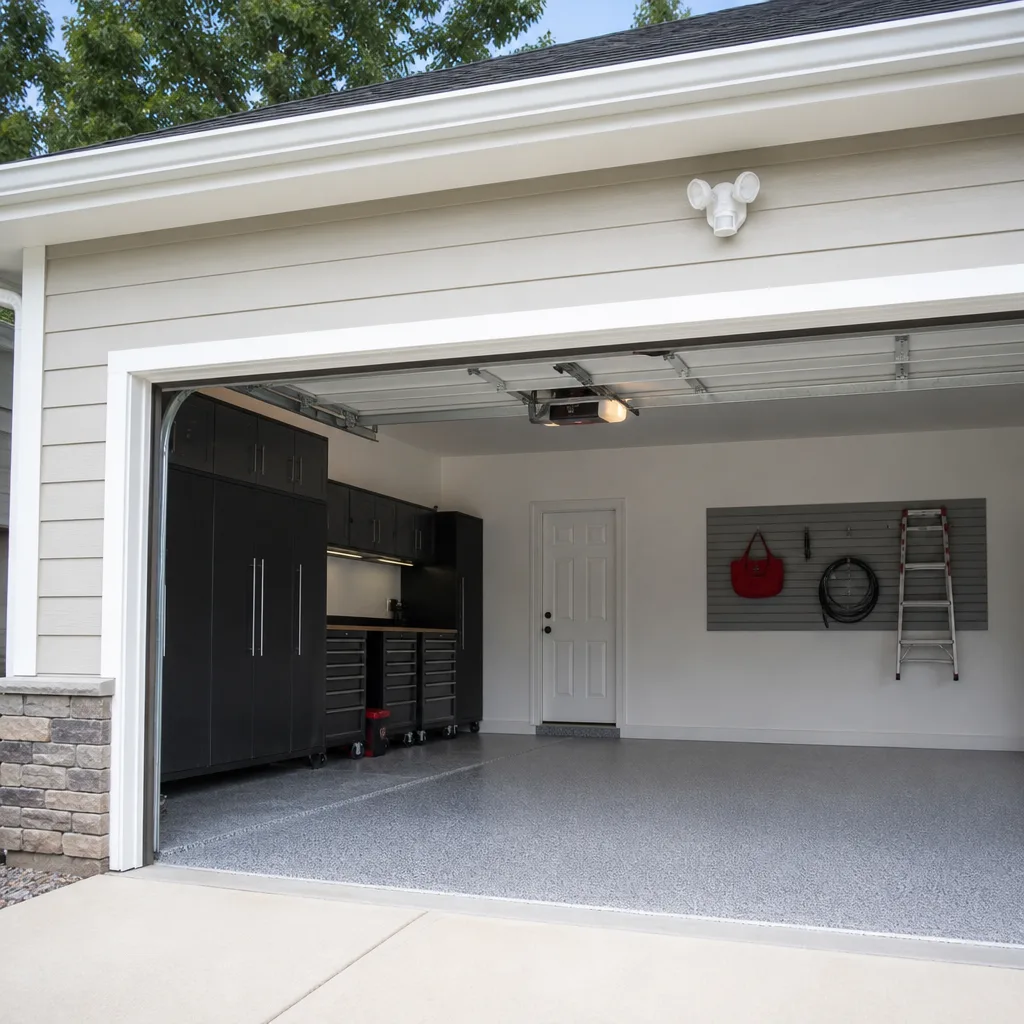 Chamberlain openers
Full 25-point door and opener safety check with every visit - springs, cables, rollers, tracks, and your LiftMaster or Chamberlain opener included
You get a price before we start. It does not change when the truck arrives.
Get your free estimateGarage Door Repair Maintenance Checklist for Baldwin Park Homeowners
The number-one thing Baldwin Park homeowners skip is lubricating hinges after a dusty Santa Ana wind event. That single omission causes more mid-cycle failures here than worn springs do. The fine grit that blows through the San Gabriel Valley doesn’t just settle on your car and patio furniture – it works its way into hinge pins, roller bearings, and bottom seals. Then the door starts grinding, binding, and eventually stops mid-lift. This checklist is built different. It’s organized around the failure patterns we actually see in Baldwin Park garages week after week, not a generic list of tasks copied from a manufacturer manual. You’ll learn what to inspect, when to inspect it, why it fails in this specific climate, and which jobs genuinely need a trained technician, and when Garage Door Repair is the right call.
Quick Answer
A Baldwin Park garage door maintenance checklist should cover four things: lubricating moving parts after Santa Ana wind events, testing auto-reverse safety monthly, checking spring balance seasonally, and inspecting rollers, cables, and seals for grit damage. Most doors need about 20 minutes of attention four times a year. The single highest-impact task is cleaning and lubricating hinges, rollers, and bearings after dry, dusty wind events – skipping this is what leads to most preventable mid-cycle failures we see in this market.
Styles & brands we work with
- Raised-panel steel
- Carriage house
- Modern flush
- Full-view glass
- LiftMaster openers
- Chamberlain openers
Table of Contents
- Post-Santa Ana Wind Inspection Protocol
- Lubrication: What to Use and What You’re Probably Doing Wrong
- Spring Tension Check: The Baldwin Park Cadence
- Testing Auto-Reverse Sensitivity: How to Pass or Fail
- Rollers, Cables, and Seals: The Grit Problem
- Opener-Specific Maintenance: Motor, Remote, and Smart Features
- A Monthly 10-Minute Routine That Actually Works
- Common Mistakes to Avoid
- When to Call a Professional
- Frequently Asked Questions
Post-Santa Ana Wind Inspection Protocol
Baldwin Park sits in the direct path of Santa Ana winds that sweep through the San Gabriel Valley, carrying dust from the high desert and fine particulate from the 10 and 605 freeway corridors. After a wind event, your garage door has been sandblasted. The dust doesn’t just sit on the surface – it gets pulled into the track system by the door’s own movement and works its way into every pivot point. Here’s the inspection sequence we recommend within 48 hours of a significant wind event:
- Wipe the vertical tracks. Use a dry microfiber cloth. Do not use a wet rag – Baldwin Park dust turns to abrasive mud when wet, and you’ll grind it deeper into the track. Wipe from bottom to top on both sides.
- Check the bottom seal. Run your hand along the rubber weatherstrip at the bottom of the door. Santa Ana grit gets trapped under the seal and acts like sandpaper against your concrete slab every time the door closes. Look for embedded particles, tears, or gaps where light passes through.
- Inspect hinge pins. Hinges are the most vulnerable component after a wind event. Look for gray residue around the pin – that’s metal dust, and it means the hinge is grinding. A hinge that squeaks after a wind event is already damaged; lubrication helps, but replacement may be needed if you catch it late.
- Listen during the next cycle. Run the door open and closed. A grinding sound that wasn’t there before the wind event almost always means grit has infiltrated a roller bearing or hinge. Don’t ignore it – the damage compounds with every cycle.
In our experience, Baldwin Park doors that get this protocol after wind events last years longer than doors that don’t. The grit doesn’t just wear parts – it accelerates wear on the opener motor because the door requires more force to move. For homeowners who’d rather not deal with it, our Garage Door Repair in Baldwin Park service includes post-wind inspections as part of every tune-up. Most of the damage we find during these inspections is preventable if caught within a few days.
Lubrication: What to Use and What You’re Probably Doing Wrong
The most common lubrication mistake we see in Baldwin Park garages is actually over-application on the wrong parts. Tracks should be dry. Always. A lubricated track collects the fine particulate that blows through this valley, and within weeks you’ll have a sticky black paste that binds the rollers. The parts that need lubrication are the roller bearings, hinge pins, and spring coils – and only those parts. Here’s what to use and why it matters here specifically:
- White lithium grease for hinge pins and roller bearings. It stays in place and doesn’t attract as much wind-blown dust as spray oils.
- Silicone spray for torsion springs, weather seals, and any nylon rollers. It penetrates coil gaps and won’t degrade rubber.
- Avoid WD-40 as a lubricant. It’s a solvent and will strip existing lubrication from your springs and hinges. It’s fine for cleaning, terrible for lubricating.
- Avoid heavy axle grease. In Baldwin Park’s dry, dusty environment, heavy greases act as a dust magnet and create the exact grinding compound you’re trying to prevent.
Here’s the lubrication sequence we teach Baldwin Park homeowners:
- Wipe each hinge pin with a clean cloth to remove existing grit.
- Apply one small dab of white lithium grease to each hinge pin – about the size of a pea. Less is more.
- Spray silicone lightly on the torsion spring coils, running the can along the full length of the spring.
- For roller bearings, a small shot of silicone directly into the bearing if accessible, or white lithium grease on the roller shaft.
- Cycle the door three times to distribute the lubrication evenly.
One sign we look for when we open a Baldwin Park garage: over-lubricated tracks. It’s one of the most frequent technician findings in this market. The homeowner meant well, sprayed the tracks because they looked dry, and now the door sounds like it’s dragging through mud. If your tracks have visible grease streaks, wipe them clean with a dry cloth and then clean them with a degreaser. The tracks themselves never need lubrication – the rollers riding inside them do.
For Chamberlain and LiftMaster openers, which are common in Baldwin Park homes, the internal gears are sealed and don’t need homeowner lubrication. If your opener is grinding, that’s a gear or sprocket failure, not a lubrication issue. You’d want a technician who knows those brands cold. Our Garage Door Opener Repair in Baldwin Park service handles motor, gear, and smart-home issues for all major brands – and we’ll tell you upfront if lubrication is the fix or if something’s actually broken.
Spring Tension Check: The Baldwin Park Cadence
Manufacturers typically recommend checking spring tension every 12 months. For Baldwin Park, we recommend checking it twice a year – once in early spring and once in late fall. Here’s why: the heat expansion cycle in the San Gabriel Valley is more extreme than manufacturers test for. Summer temperatures regularly top 100°F in your garage, and the metal components expand. Winter nights can drop into the 40s, and everything contracts. This repeated thermal cycling changes spring balance faster than the manufacturer’s testing anticipates. A door that was perfectly balanced in May can be noticeably heavy on the opener by September.
The test is straightforward, and it’s one you can do safely without touching the springs themselves:
- Close the door completely.
- Pull the red emergency release cord to disconnect the opener.
- Manually lift the door to waist height – roughly three feet off the ground.
- Let go. A properly balanced door will stay in place. It might drift an inch or two, but it won’t move more than that.
- If the door falls, the springs are losing tension. If it shoots upward, the springs are over-tensioned, which is typically the result of a previous adjustment done wrong.
If the door falls during this test, your opener is now working harder than it should be. A Craftsman or Raynor opener can compensate for a while, but the motor burns out faster when it’s fighting an unbalanced door. You’ll also notice the door moves slower than it used to, or the opener makes a straining sound on the way up. Those are early warning signs in Baldwin Park heat.
One thing we want to be very clear about: do not adjust torsion springs yourself. Torsion springs are under enough tension to cause serious injury. If your door fails the balance test, call a professional. This is the boundary between maintenance and repair, and it’s a hard line. It’s also one of the reasons we take spring work seriously at Foxwood Garage Door Repair – it’s the highest-risk component on your door, and it’s not a DIY job regardless of how many YouTube videos exist. A door that won’t hold balance in Baldwin Park is usually a sign that the springs are near the end of their 10,000-cycle lifespan anyway.
Testing Auto-Reverse Sensitivity: How to Pass or Fail
Most maintenance checklists say “test the auto-reverse feature.” Almost none of them explain what passing actually looks like, or what to do if it fails. Here’s the test done right. Your garage door opener has two important safety mechanisms: the auto-reverse, which reverses the door when it hits an obstruction while closing, and the photo-eye sensors, which stop the door if the invisible beam is broken. Both need monthly testing.
The auto-reverse test:
- Place a roll of paper towels or a small wooden block flat on the ground directly under the door’s path, roughly in the center.
- Close the door using the wall button or remote.
- The door should hit the object and reverse direction within two seconds of contact.
- Watch the reversal: it should be immediate and smooth, not hesitant. If the door presses down on the object for more than a second or two before reversing, that’s a fail. If the door crushes the paper towel roll, that’s a hard fail.
- If the door reverses but your opener is a Chamberlain or LiftMaster with adjustable sensitivity, you can fine-tune it per the manual. If it doesn’t reverse at all, disconnect the opener and call a technician.
The photo-eye test is simpler. Open the door, then press the wall button to close it and wave your foot through the beam near the floor. The door should stop immediately and reverse. If nothing happens when you break the beam, the sensors are either misaligned, dirty, or failed.
We get a lot of calls from Baldwin Park homeowners whose auto-reverse works fine until they actually test it with a real object, at which point it fails. A door that reverses to an empty concrete floor but not to a cardboard box is a danger to small children and pets. Modern openers from LiftMaster and Chamberlain have built-in force profiling that adjusts over time; if the door gets heavier (like after spring tension loss), the opener may increase its force threshold to compensate. That’s why a door that passed the auto-reverse test last year might fail it this year. Test monthly, not annually.
Rollers, Cables, and Seals: The Grit Problem
Baldwin Park’s dust problem isn’t just from Santa Ana events. The constant ambient dust from the San Gabriel Valley, combined with construction activity along the 10 corridor and the older housing stock in neighborhoods like Morgan Park and central Baldwin Park, means every garage door in this city lives a dustier life than the manufacturer expected. Here’s how each component fails:
Rollers: Steel rollers with ball bearings are the workhorses here, but they fail in a specific pattern. The bearing seals eventually let dust in, the bearing races develop flat spots, and the roller starts dragging instead of spinning. You’ll see it in the wear pattern: a flat spot on the wheel. Nylon rollers are more forgiving in dusty conditions because the wheel is quieter and the bearing is shielded. But nylon wheels themselves can chip from debris. If you hear a rumble or a repetitive thumping sound while the door moves, it’s usually a flat-spotted roller.
Cables: The lift cables on each side of the door are under tension at all times, even when the door is closed. In Baldwin Park, the main cable killer is fretting – the micro-abrasion that happens when dust gets into the cable drum and the individual strands rub against each other. You can inspect for visible fraying, but the deeper damage is internal. If one cable looks darker or fuzzier than the other, that’s metal fatigue. If a cable breaks with the door open, the door can drop. This is another one for the professionals – cables and springs carry tension that can cause severe injury.
Bottom seal and weather stripping: The rubber seal at the bottom of your door does more than keep leaves out. In Baldwin Park, it’s the first line of defense against dust infiltration into the garage, which means it protects everything else, including your opener’s circuit boards. Check it by closing the door with a bright light on inside the garage and looking for light gaps along the bottom. If you can see daylight, dust is getting in. Replace the seal when it’s brittle or cracked – in this climate, seals typically last three to five years before the rubber hardens from heat and UV exposure.
These are all pieces we service regularly across the city, from the older single-car garages near Baldwin Park Boulevard to the newer builds in the residential pockets off Ramona. If you’re not sure what you’re looking at, that’s reasonable – hidden cable damage is hard to spot. That’s what the Garage Door Installation in Baldwin Park team is for, and we’ll always tell you if a component can be repaired rather than replaced.
Opener-Specific Maintenance: Motor, Remote, and Smart Features
Your garage door opener is the piece that gets the least routine attention and fails in the most inconvenient ways. Baldwin Park homes run on a mix of openers – older Craftsman chain-drive units from the 2000s, newer Chamberlain and LiftMaster belt-drive models, and increasing numbers of smart-enabled units with Wi-Fi modules. Each has maintenance needs that go beyond the door itself.
Motor unit: Keep the top of the motor housing dust-free. This sounds minor, but Baldwin Park dust clogs the cooling vents on opener motors, and an overheated motor is a failed motor. Use a dry cloth or a vacuum with a brush attachment. Do not spray anything into the vents. The motor doesn’t need lubrication. If it’s making a straining noise during operation, the problem is usually in the door (balance, rollers) or the internal gears – not the motor.
Chain and belt tension: Chain-drive openers stretch over time, especially in hot garages where metal expansion is constant. A sagging chain slaps the rail and creates noise. Belt-drive openers, common on newer Chamberlain and LiftMaster units, stretch less, but the tension should still be checked. The test is simple: look at the rail. If the chain or belt sags more than half an inch below the rail at its midpoint, it needs adjustment. Most units have a tension adjustment nut that’s accessible without opening the motor housing. If you’re unsure, it’s a five-minute job for a technician.
Remotes and wall controls: If your remote works intermittently and you’ve already replaced the battery, the problem is usually the remote’s contact pads wearing out, especially on older Craftsman remotes. The fix is typically a new remote – programming a Chamberlain or LiftMaster remote to an older opener is straightforward if you know the learn button location. For Genie and Raynor units, programming procedures vary by model year. We see a lot of remotes that were replaced needlessly when the actual issue was the opener’s receiver antenna, which is a different repair entirely.
Smart features: Wi-Fi-enabled openers are increasingly common in Baldwin Park, and the most frequent complaint is connectivity. The fix often involves moving the router closer to the garage or adding a Wi-Fi extender – garage walls with stucco and metal doors are signal-killers. Check that your opener’s app is updated and that the opener’s firmware is current. Smart opener issues are one of the things Foxwood’s Garage Door Opener Repair in Baldwin Park specialists handle routinely, from pairing problems to full module replacement.
One maintenance task that applies to every opener regardless of brand: test the manual release cord. Pull it once a month to make sure it disconnects smoothly and reconnect it the same way. You don’t want to discover a seized release mechanism during a power outage when you need to open the door manually. In Baldwin Park, with summer brownouts and the occasional earthquake drill, manual access is a real consideration.
A Monthly 10-Minute Routine That Actually Works
Here’s the fox-level simple version. If you do one thing this month, do this. Ten minutes, once a month, no special tools. This is the routine we’d give to a neighbor in Baldwin Park who wants the door to last another decade without paying us to come out.
- Listen to the door cycle. Run it open and closed once while standing inside. Squeaks, grinding, thumping, or straining all mean something specific. Write down what you hear, and if it’s new, investigate.
- Check the balance. Pull the red release cord, lift the door to waist height, let go. If it drops or rises, schedule a spring inspection.
- Test the auto-reverse. Paper towel roll on the ground, close the door, watch for immediate reversal.
- Check the photo eyes. Wave your foot through the beam while the door is closing. Door should reverse.
- Inspect the bottom seal. Look for cracks, brittleness, or light gaps at the bottom of the closed door.
- Wipe the tracks dry. Microfiber cloth, bottom to top on both vertical tracks. No lubricant on tracks.
- Put a drop of silicone on the torsion spring. One light spray along the spring’s length. This keeps the coils from seizing and helps the spring last its full cycle count.
That’s it. Four times a year, add a more thorough pass: lubricate hinge pins with white lithium grease, check roller wear, inspect cables for fraying, and clean the motor housing. Between those seasonal passes and the monthly routine, you’ll catch most problems before they become emergency repairs. For step-by-step diagnostics, see our Garage Door Repair Troubleshooting: Common Problems and How to Fix Them. And that’s the goal: maintenance is cheaper than emergency calls, and in Baldwin Park, the difference is often hundreds of dollars and a garage you can’t use for an evening.
Common Mistakes to Avoid
- Lubricating the tracks. We see this on at least a third of the Baldwin Park garages we visit. Lubricated tracks collect grit from the San Gabriel Valley air and become abrasive. Tracks should be clean and dry, always.
- Skipping post-wind inspections. A Santa Ana event dumps dust into your track system, and if you don’t clean it out, the door grinds it into the hinges and rollers. The damage is done within a week.
- Using WD-40 on springs. WD-40 strips existing grease and leaves springs more vulnerable to rust. Use silicone spray on springs, not a penetrating solvent.
- Ignoring a noisy door. A squeak or grind is not an aesthetic issue. It’s metal-on-metal contact that’s removing material from your door. By the time the noise stops, the damage is usually done.
- Adjusting spring tension without training. Torsion springs can cause severe injury. There’s no version of this that’s a DIY task. If the door fails a balance test, call a professional.
- Assuming the auto-reverse is fine because the door works. Auto-reverse can fail silently when spring tension drops and the opener compensates with more force. You won’t know until something is in the door’s path.
- Replacing a remote when the opener is the problem. If a new remote doesn’t solve the connectivity issue, the likely culprit is the opener’s receiver or antenna. We see this misdiagnosis frequently in Baldwin Park garages.
When to Call a Professional
Some maintenance tasks end where professional territory begins. If your door fails the balance test, call a technician – spring replacement is not a homeowner job under any circumstances. If you see frayed cables, the door needs professional attention before the cable fails under load. If the auto-reverse test fails and adjusting the sensitivity doesn’t fix it, the opener’s force logic or a board-level issue is likely in play. If the door is off its track or making a grinding sound that lubrication doesn’t resolve, stop cycling it. Every additional cycle compounds the damage. Foxwood Garage Door Repair offers free estimates in Baldwin Park – call (866) 714-6304 and we’ll tell you what’s actually wrong and what it costs before any work starts. The price is quoted and agreed before anything begins, and estimates are free.
Frequently Asked Questions
Every three to four months is the right cadence for Baldwin Park, and more frequently if a Santa Ana wind event coats the door in dust. Focus lubrication on hinge pins and springs, and keep the tracks dry. The dry, dusty climate here means lubrication breaks down faster than in coastal areas.
White lithium grease for hinge pins and roller bearings, and silicone spray for torsion springs and weather seals. Both resist collecting the fine particulate that blows through Baldwin Park. Avoid WD-40 as a lubricant and avoid heavy grease, which acts as a dust magnet in this environment.
No. Torsion springs are under extreme tension and can cause serious injury or death if they release unexpectedly. Spring replacement requires specialized tools and training. If your door fails a balance test, call a professional – this is the one repair that’s never worth the risk of doing it yourself.
Santa Ana winds drive fine grit into the track mechanism, and that grit gets into roller bearings and hinge pins. The grinding sound is metal-on-metal contact with abrasive particles in between. Clean the tracks and lubricate the hinges and rollers within 48 hours of the wind event. If the noise persists after lubrication, a bearing or roller has already been damaged and may need replacement.
Disconnect the opener with the red release cord, then lift the door manually to waist height. A balanced door will stay in place when you release it. If it falls, the springs are losing tension. If it rises, the springs are over-tensioned. Either way, the springs need professional adjustment.
Foxwood Garage Door Repair works on the major brands found in Baldwin Park homes – LiftMaster, Chamberlain, Genie, Clopay, Amarr, Wayne Dalton, Craftsman, and Raynor – across repair, opener service, and new installation. We work on the brand you have, not the brand we prefer. Call (866) 714-6304 for a free estimate.
The Bottom Line
Your garage door is the largest moving object in your Baldwin Park home, and it operates in one of the dustiest climates in the LA basin. The maintenance tasks that actually matter here are the ones that address that dust: post-Santa Ana inspections, dry tracks, lubrication that doesn’t attract particulate, and monthly balance and auto-reverse tests. If you do the 10-minute routine and the seasonal passes, you’ll add years to your door and opener and avoid most emergency repair calls. When something does go wrong that’s beyond the maintenance checklist – spring tension, cable wear, opener failures – get a professional who knows your specific brand. Foxwood Garage Door Repair home covers repair, opener service, and installation for the brands most common in Baldwin Park, and every estimate is free. Call (866) 714-6304 and we’ll tell you exactly what’s going on and what it costs before any work starts.
Written by the team at Foxwood Garage Door Repair, serving Baldwin Park since 2015. Explore more guides & resources on keeping your door running smoothly.
See the difference
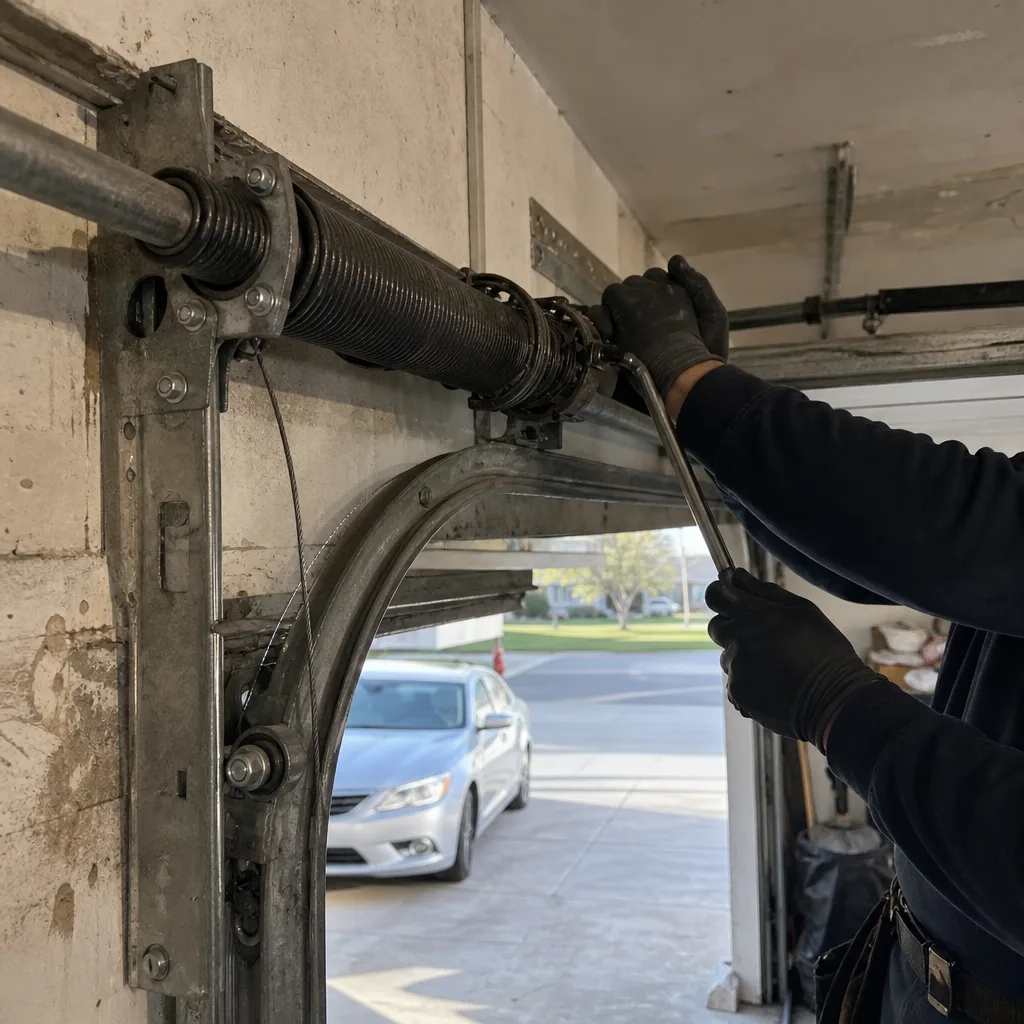 Before
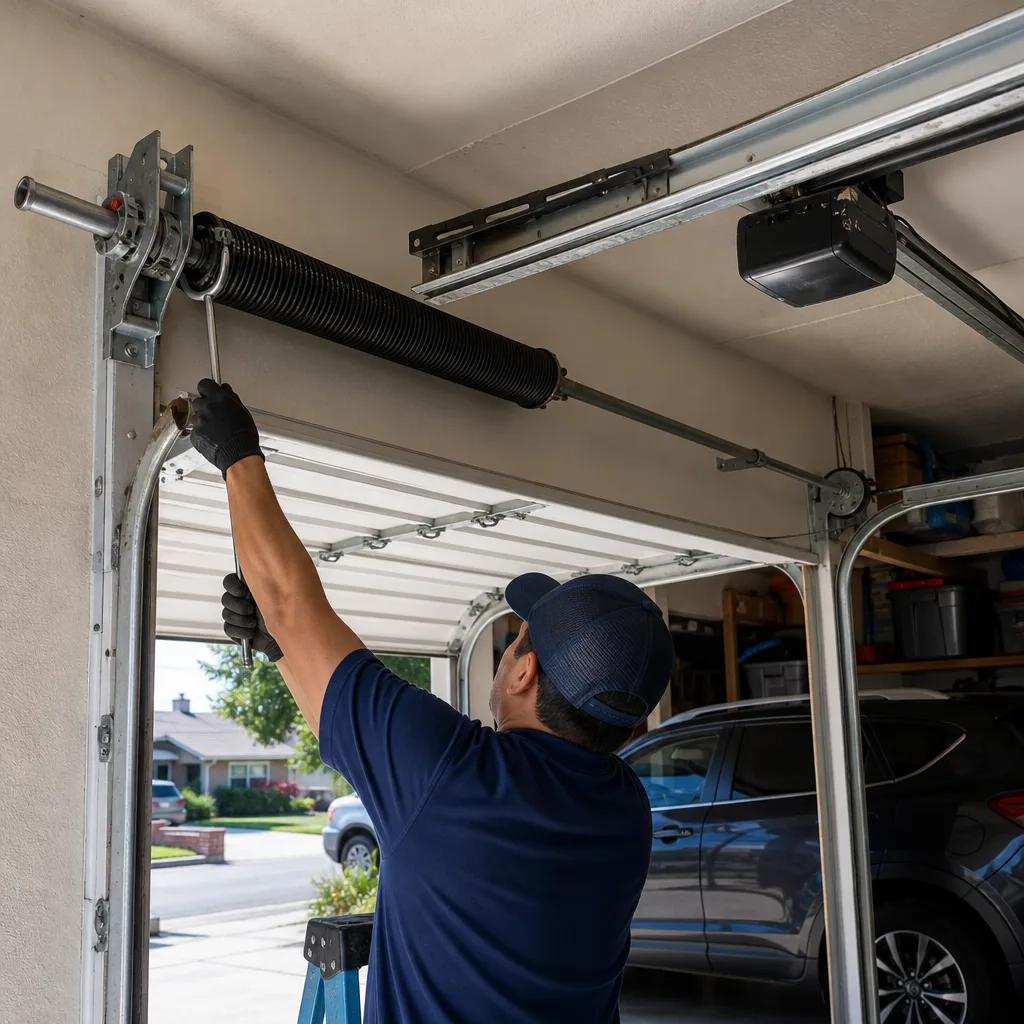 After
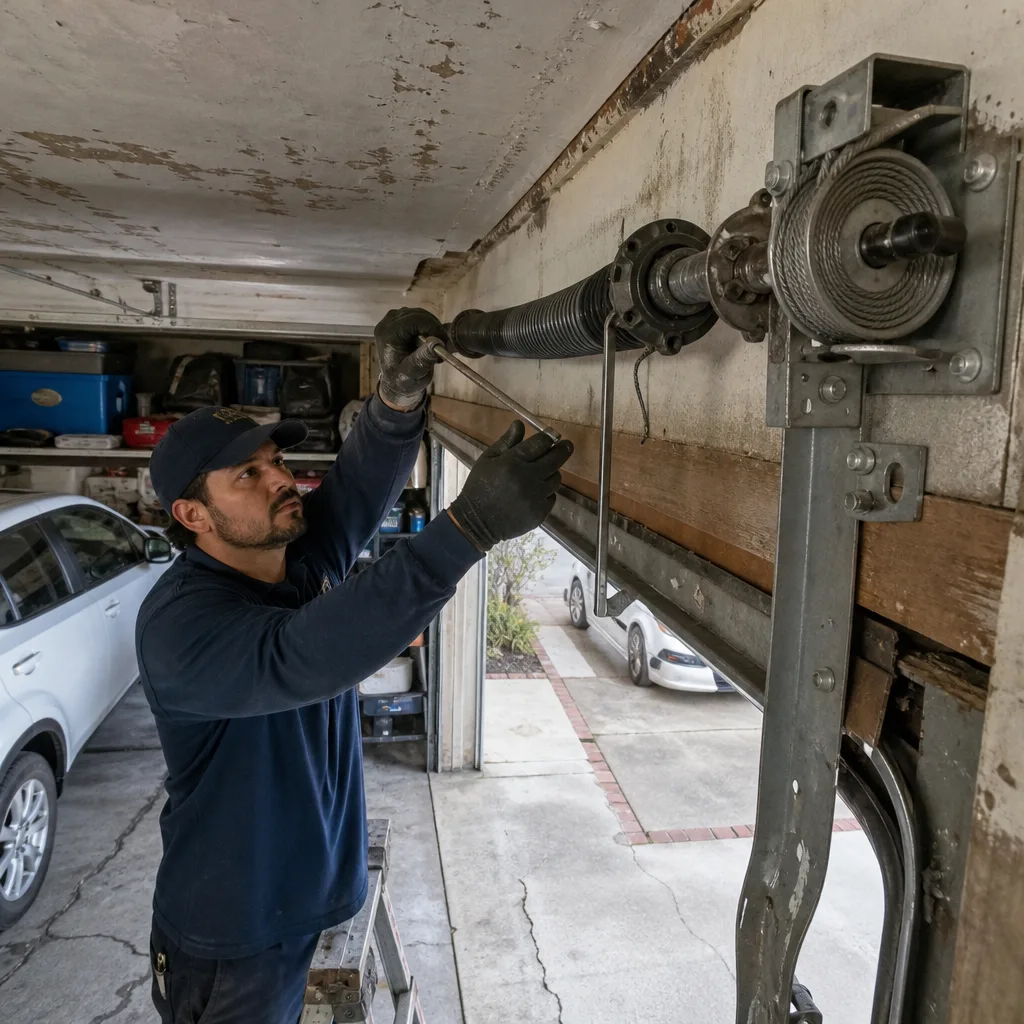 Before
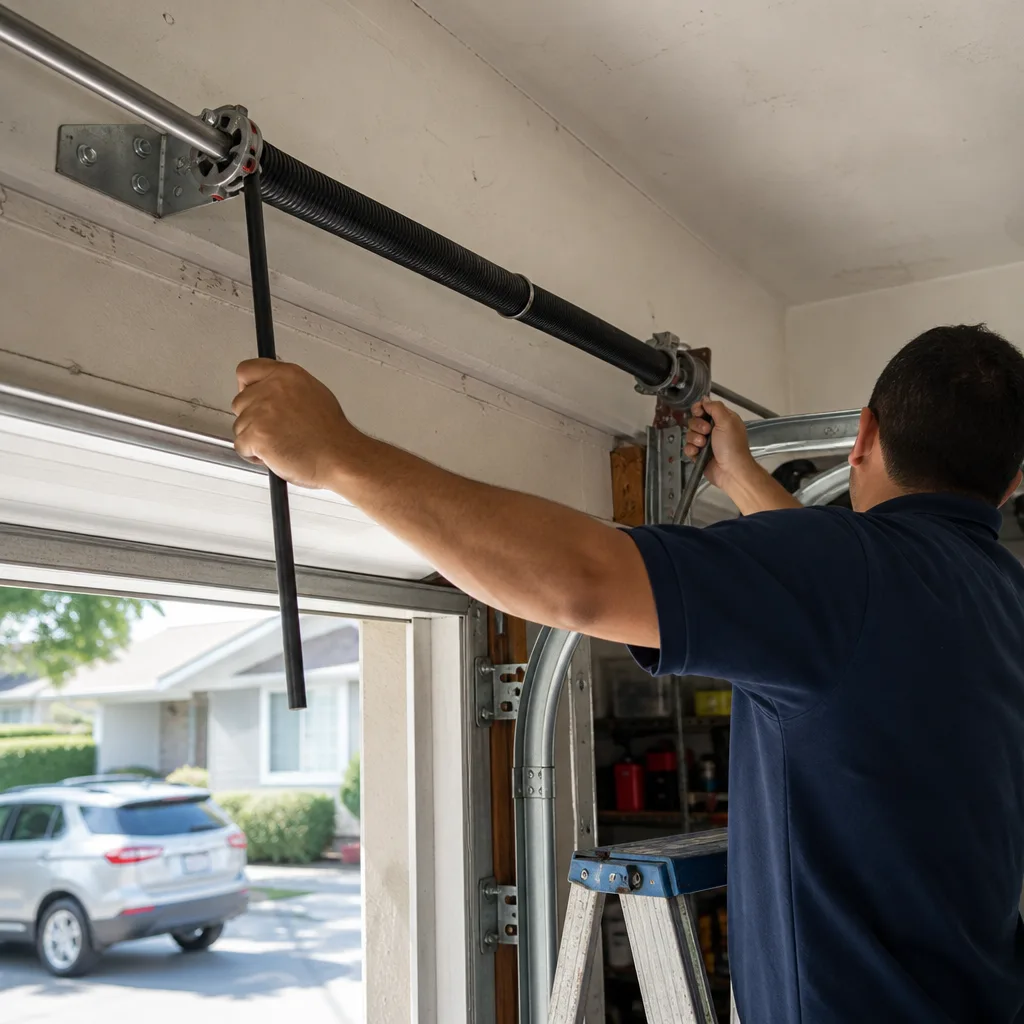 After
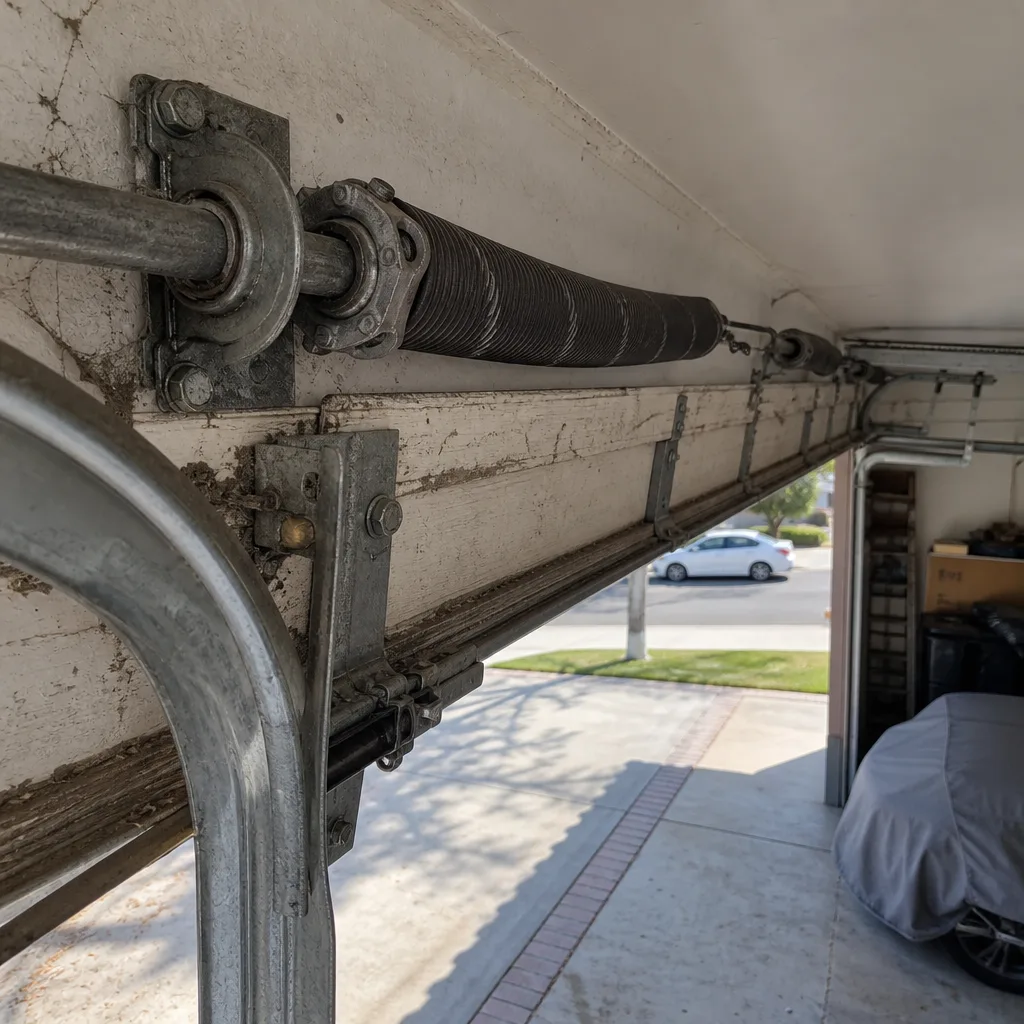 Before
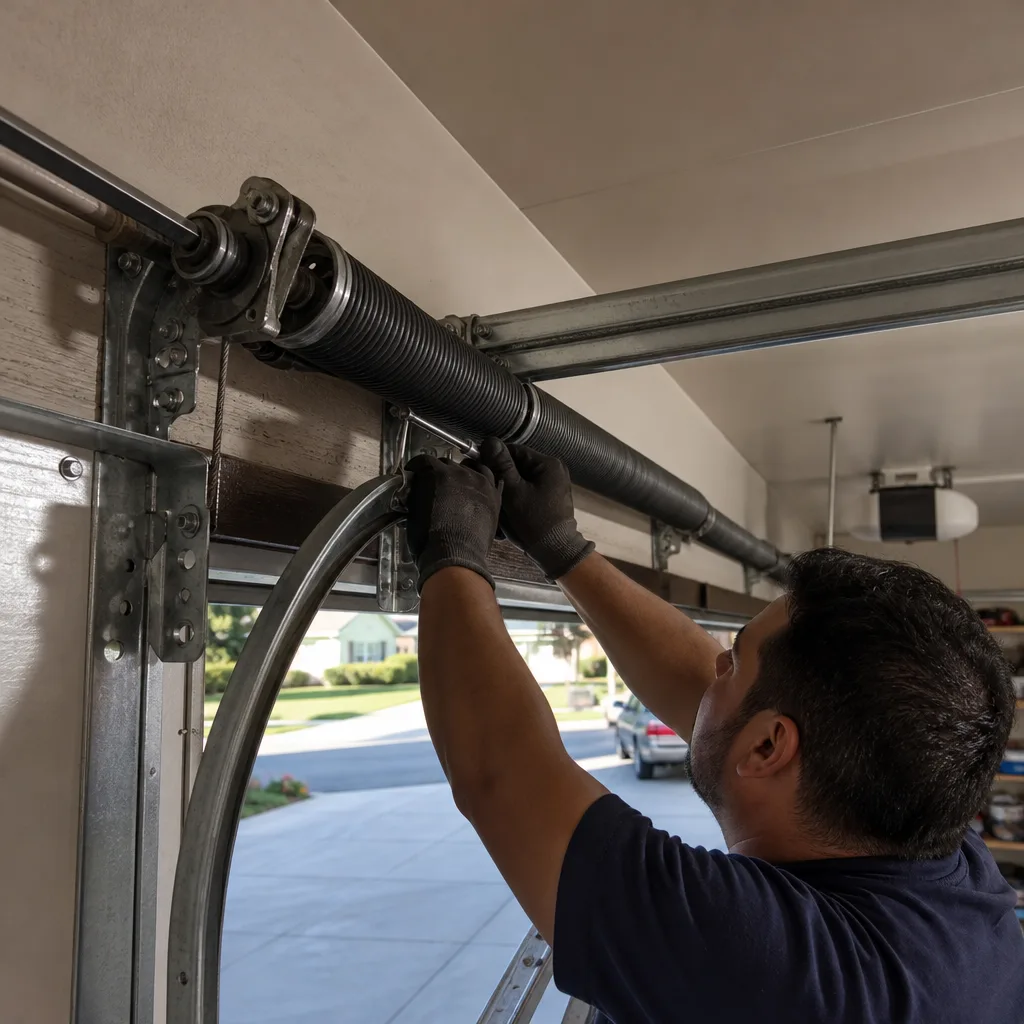 After