
Last updated November 2, 2026
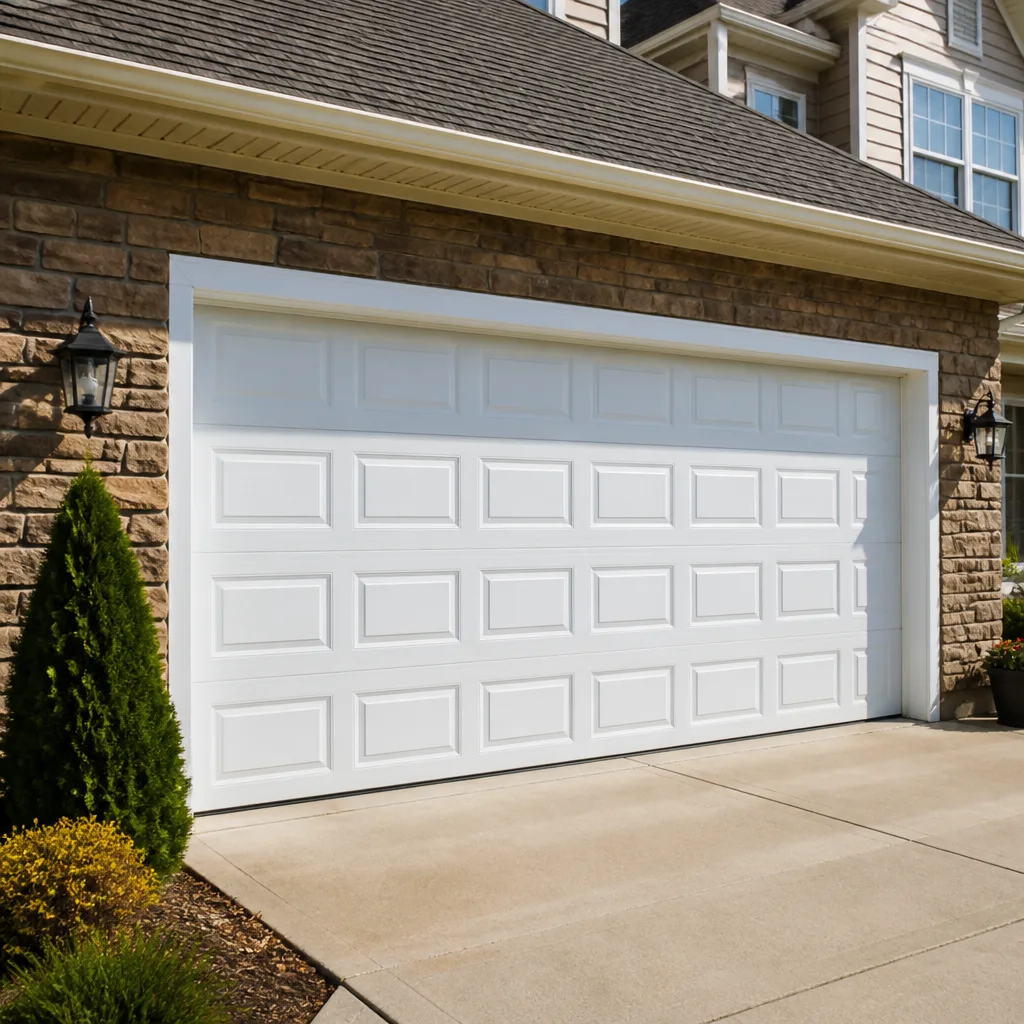 Raised-panel steel
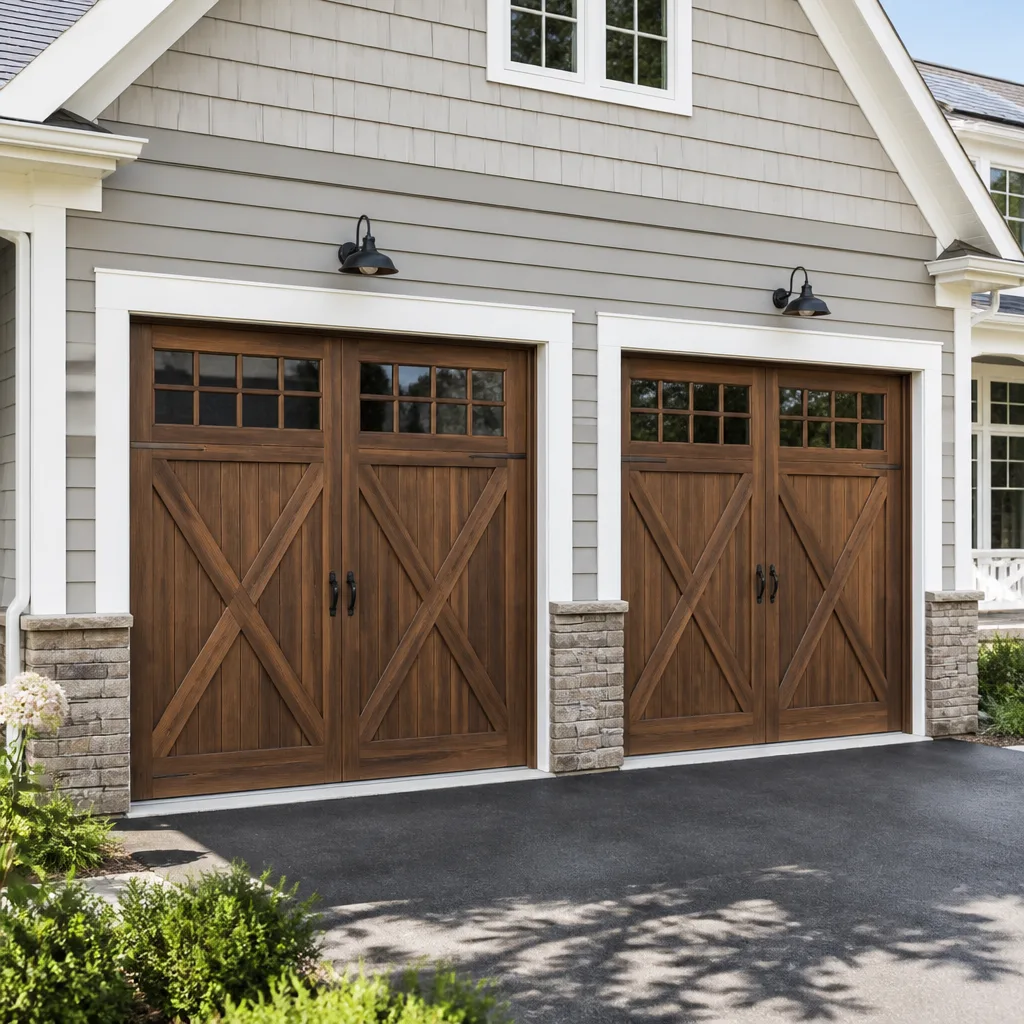 Carriage house
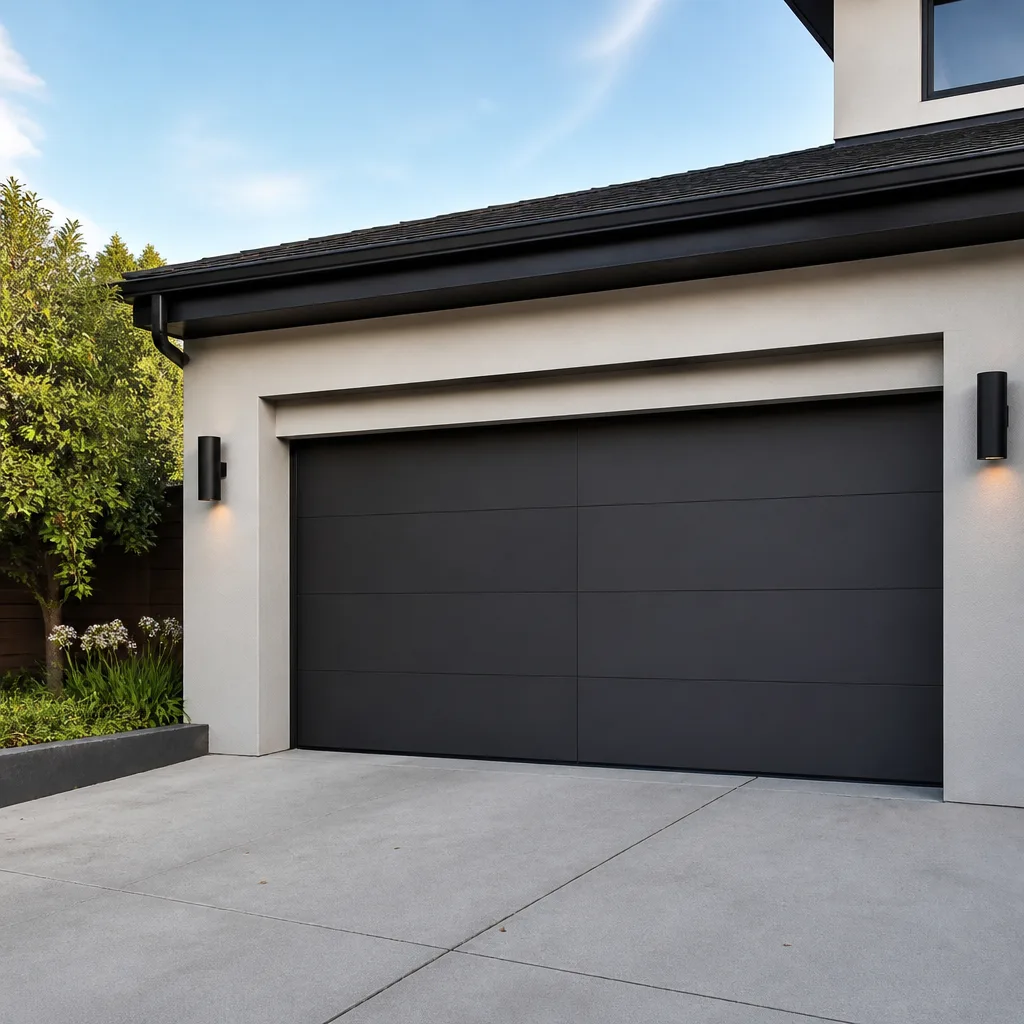 Modern flush
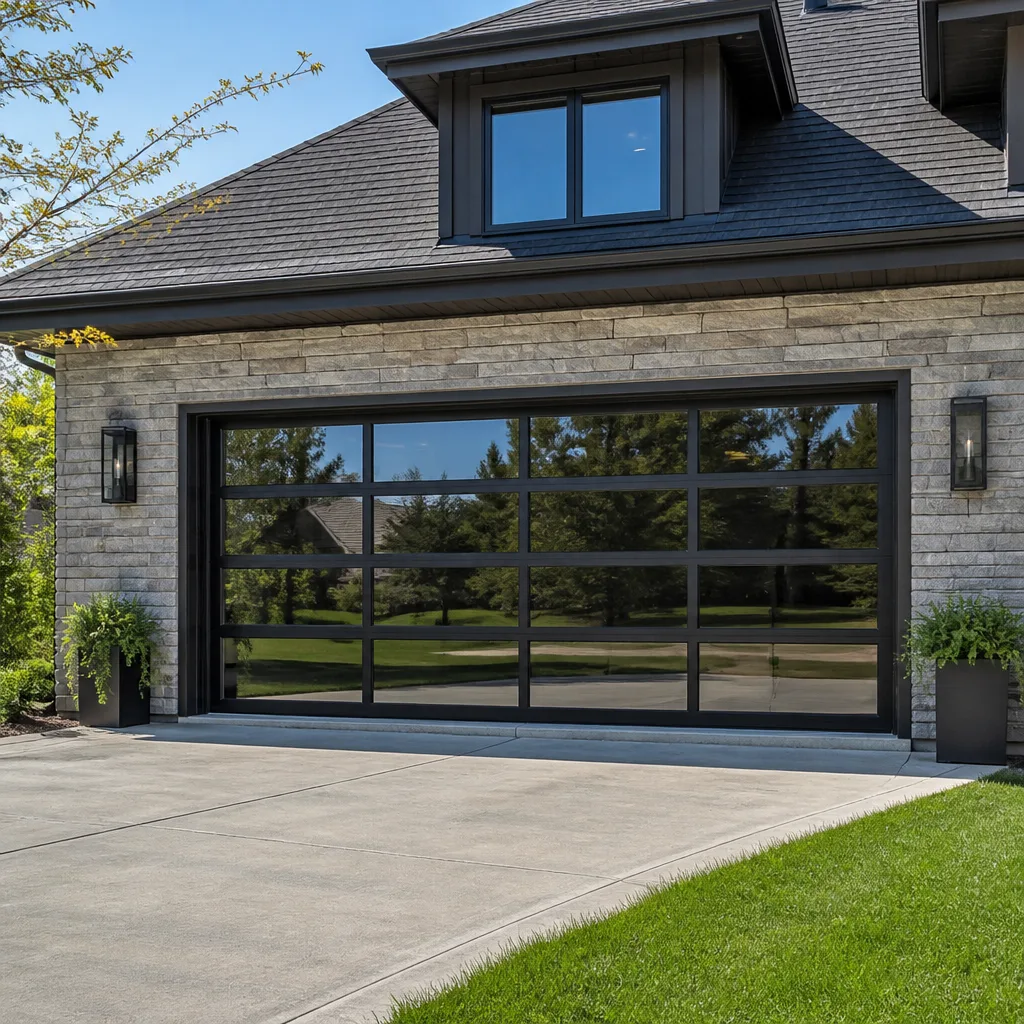 Full-view glass
 LiftMaster openers
 Chamberlain openers
Full 25-point door and opener safety check with every visit - springs, cables, rollers, tracks, and your LiftMaster or Chamberlain opener included
You get a price before we start. It does not change when the truck arrives.
Get your free estimateGarage Door Permits, Codes & Inspections in CA: What You Need to Know
If you’re replacing a garage door opener and adding a new door as part of a remodel, you’ve crossed into permit territory in most California jurisdictions – even if the contractor tells you otherwise. We hear this from Baldwin Park homeowners all the time: the contractor said a permit wasn’t necessary, the work got done in a day, and three years later the title report flags it during escrow. This guide breaks down exactly which garage door projects trigger California permit requirements, what the 2025 Title 24 energy code means for your door and its opener, how UL 325 safety standards apply, and what unpermitted work costs you when you sell. For more, see our Garage Door Repair Troubleshooting: Common Problems and How to Fix Them. We’ll also walk through the Baldwin Park and City of Industry permitting process step by step, because the threshold for a required permit is lower than most people assume.
Styles & brands we work with
- Raised-panel steel
- Carriage house
- Modern flush
- Full-view glass
- LiftMaster openers
- Chamberlain openers
Quick Answer
In California, a building permit is generally required when a garage door replacement involves structural changes – new header framing, resizing the opening, or converting a garage to living space. A like-for-like swap of a sectional door on existing tracks usually does not require a permit, but adding a new door where none existed or enlarging the opening does. Garage door opener replacements by themselves rarely need a permit, but all openers installed in California must meet UL 325 safety standards, and any garage door attached to conditioned living space must comply with Title 24 energy code requirements. Baldwin Park and City of Industry both issue over-the-counter permits for straightforward door replacements, typically within 1 to 5 business days.
Table of Contents
- Which Garage Door Projects Trigger a Permit in California
- California Title 24 Energy Code and Your Garage Door
- UL 325 Safety Standard: What Every Opener Must Meet
- What Unpermitted Garage Door Work Does to a Home Sale
- Baldwin Park and City of Industry Permit Process Step by Step
- What an Inspector Actually Checks on a Garage Door
- What Garage Door Permits Cost in California
- Common Mistakes to Avoid
- When to Call a Professional
- Frequently Asked Questions
Which Garage Door Projects Trigger a Permit in California
California building codes don’t have a single statewide rule that says “garage door replacement always requires a permit.” The requirement is driven by the California Residential Code (CRC), specifically sections that govern structural modifications, door openings, and fire-rated assemblies. What triggers a permit depends on what you’re actually changing. A direct replacement of the same door type and size on existing, undamaged tracks typically falls under routine maintenance and does not require a permit in most jurisdictions, including Baldwin Park and the City of Industry. But the moment the opening size changes, the header gets touched, or a new door is added where none existed, you’re in permit territory.
Here’s the breakdown by project type:
- Like-for-like sectional door swap: Generally no permit required. Same size, same tracks, same mounting points, opener reused or replaced with a compatible unit. This is the most common repair or replacement done by Baldwin Park garage door companies. Inspectors treat it as maintenance because no structural element changes.
- Full door replacement with new tracks: Often no permit if the opening dimensions and header remain untouched. However, some cities, including certain Los Angeles County jurisdictions, require a simple over-the-counter permit when the door is part of a fire-rated wall assembly between the garage and living space.
- Opener-only replacement: No building permit required in virtually any California city. Opener replacement is governed by UL 325 electrical safety standards, not building codes. What matters is that the installed opener meets current safety requirements: auto-reverse on obstruction, photo-eye sensors, and force settings that won’t injure a child or pet.
- Adding a door where none existed: Permit required. This is a structural change to the wall, and you’re creating a new opening. Cities in the Baldwin Park area treat this as a remodel, not a repair. Expect to submit plans showing header sizing, shear wall provisions, and foundation loads.
- Enlarging or resizing the opening: Permit required, always. You’re modifying structural framing, which means the header must be recalculated for the new span. In California’s seismic zones, this also raises shear wall and anchor bolt requirements. A garage door company that says “we’ll just frame it bigger and hang the door” without a permit is creating a future resale problem on par with unpermitted room additions.
- Converting a garage to living space: This isn’t a garage door project at all in code terms. The door comes out, a wall goes in, and you’re changing the building’s occupancy classification. Full permit, plans, and inspections apply. Baldwin Park is strict about garage conversions because unhoused vehicle storage creates parking impacts on residential streets.
One nuance every Baldwin Park homeowner should know: the City of Industry, which shares boundaries with Baldwin Park in places, uses Los Angeles County building codes. Baldwin Park itself operates its own building department. The two jurisdictions sometimes interpret “like-for-like replacement” differently. A replacement that one city treats as no-permit maintenance might trigger an over-the-counter permit in the other. When in doubt, call the building department and describe the job in one sentence: “I’m replacing my existing sectional garage door with the same size door on the same tracks.” If they say no permit needed, ask for the confirmation by email so you have a record when you sell the house.
California Title 24 Energy Code and Your Garage Door
Title 24, Part 6 of the California Code of Regulations, has governed building energy efficiency since 1978, and the 2025 update tightened garage door rules in a way that surprises most people. If your garage is attached to conditioned living space – which is most single-family homes in Baldwin Park – the wall and door separating the garage from the house must meet insulation requirements. The garage door itself is typically not part of the conditioned envelope, so a standard non-insulated steel door on an attached garage doesn’t violate Title 24. But there’s a trigger many homeowners miss.
Here’s where Title 24 actually bites:
- Insulated garage doors become mandatory when the garage is conditioned space – meaning it’s heated or cooled. This applies to garages that have been converted to workshops, gyms, or ADUs. If you live in Baldwin Park and your garage has a mini-split unit or shares HVAC with the house, a new door must carry an R-value label meeting the climate zone requirement for Los Angeles County (Climate Zone 9). Expect R-8 to R-16 depending on the door’s orientation and the building’s overall energy budget.
- The door separating the garage from the house – the pedestrian door, not the vehicle door – falls under Title 24 when replaced. It must be weatherstripped and insulated to a minimum standard. We’re seeing more Baldwin Park inspectors check this on permit final inspections.
- Opener standby power draws are included in Title 24’s plug-load and lighting calculations for new construction, but not for retrofits. If you’re building a new garage, the opener model matters. If you’re replacing an opener on an existing home, it doesn’t.
- Windowed garage doors count toward fenestration limits under Title 24. If your replacement door adds glass where the old door had none, you’ve changed the solar heat gain coefficient of the building envelope, and a permit reviewer may ask for the door’s NFRC rating. A LiftMaster, Raynor, or Chamberlain door with windows can come with energy ratings, but you need to order the right glass package.
The practical takeaway for Baldwin Park homeowners: if your garage is not conditioned, a standard replacement door doesn’t trigger Title 24. If it is conditioned, or you’re adding windows, or the garage wall between house and garage gets touched, you need to think about R-values and NFRC labels. Our team at Foxwood Garage Door Repair has seen Title 24 compliance problems delay final inspection on Baldwin Park remodels more often in the last three years than in the previous decade. The code is catching up with how California homeowners actually use their garages.
UL 325 Safety Standard: What Every Opener Must Meet
UL 325 is the single most important safety standard for garage door openers in the United States, and California enforces it through both state law and the California Electrical Code. For a deeper look at warning signs, read our Garage Door Warning Signs: A Baldwin Park Homeowner’s Reference Guide. Every residential garage door opener sold or installed in California must comply with UL 325, which mandates entrapment protection: an auto-reverse mechanism triggered by either a contact sensor (the door hits something and reverses) or a non-contact sensor (the photo-eye beam across the door opening). Since 1993, openers must include both. If your opener predates 1993 or has a non-functional photo-eye, it’s not compliant, and an inspector will flag it on any permit final.
What to check on your existing opener:
- Look for the UL listing mark. It’s a small circle with “UL” inside, usually on the motor housing label along with the model number. If you have a Chamberlain, Genie, or LiftMaster unit, the label also shows the compliance date.
- Test the auto-reverse with a solid object. Place a 2×4 on the floor under the closing door. The door should reverse within 2 seconds of contacting it. If it doesn’t, the opener is out of compliance and a safety hazard. Call a professional to adjust or replace it – the force settings on modern openers are calibrated to specific door weights and spring tensions.
- Check the photo-eye sensors. Both sensors at the base of the door should have steady indicator lights when aligned. A blinking light means misalignment, which disables the safety beam. The door still works, but it won’t reverse for a child or pet walking through.
- Verify the manual release works. UL 325 doesn’t require manual release to be tested regularly, but California inspectors occasionally check it on final. The red emergency cord should disengage the door from the opener so you can lift it by hand during a power outage.
UL 325 compliance is not a building permit item in the sense that you file paperwork for it. It’s an installation standard. When a licensed contractor installs a new opener, they’re certifying by default that the unit meets UL 325 and that entrapment protection devices were tested. If a permit inspection includes an opener check, the inspector is looking for the UL mark, functional photo-eyes, and operational auto-reverse. We work on opener brands that carry UL 325 compliance out of the box – LiftMaster, Chamberlain, Genie, and Raynor – so the compliance question is usually about installation quality, not equipment quality.
What Unpermitted Garage Door Work Does to a Home Sale
Unpermitted work on a garage door – especially a resized opening, a new door where none existed, or a conversion that was never inspected – shows up on title reports when you sell or refinance. In California, title companies run permit histories from the local building department and flag any improvement that doesn’t have a matching permit. Buyers’ lenders see the flag, and that’s where the price hits start.
In Baldwin Park, the typical remediation path looks like this:
- Discovery: The buyer’s title report flags the discrepancy. The seller didn’t disclose the work, or they did but the buyer’s lender won’t close on it.
- Retroactive permit application: The seller applies for a permit after the fact. Baldwin Park and City of Industry both process retroactive permits, but they’re reviewed more carefully. Expect to submit photos, a contractor’s statement, and possibly open up a wall section so the inspector can verify header and anchor details.
- Inspections and corrections: The inspector may find that the work was done to a previous code cycle and needs upgrades. Common corrections on garage door work include undersized headers, missing hold-downs, improper shear wall nailing, or fire-rated door requirements on the house-adjacent wall.
- Time and money: A retroactive permit on a Baldwin Park garage door project typically adds 2 to 6 weeks to escrow and costs between $800 and $3,000 in fees, corrections, and inspector time. We’ve seen escrows fall apart entirely over this.
The insurance angle matters too. If a garage door installed without a permit fails – a spring breaks, a door falls off its tracks, an opener malfunctions and damages a car – the homeowner’s insurance carrier can deny the claim on the grounds that unpermitted work voids coverage for that component. California insurers are increasingly aggressive about this. The premium question isn’t whether you saved money by skipping the permit. It’s whether you’re carrying personal liability for a door that’s not code-compliant.
For Baldwin Park homeowners, the cleanest path is to permit the work correctly the first time. If you bought a house with unpermitted garage door work and you’re planning to sell, address it now, not during escrow. Garage Door Installation in Baldwin Park that’s permitted and inspected closes faster and holds its value better than work that surfaces as a title surprise.
Baldwin Park and City of Industry Permit Process Step by Step
Baldwin Park operates its own building department with a counter at City Hall on Pacific Avenue. The City of Industry, which shares parts of its residential boundary with Baldwin Park, is served by the Los Angeles County Department of Building and Safety. The process differs enough that it’s worth knowing which jurisdiction applies to your address before you file anything.
For Baldwin Park residents:
- Determine if you need a permit. Call the Building Division or visit the counter. Describe the project in plain language. If the answer is yes, ask whether it’s over-the-counter or plan review. Simple like-for-like replacements with structural checks are often over-the-counter; resized openings and new doors require plan review.
- Prepare the application. You’ll need the property address, parcel number, a brief scope of work, and contractor information if you’re using one. For plan review projects, bring drawings showing the opening dimensions, header size, and door specifications.
- Pay the fee. Building permit fees in Baldwin Park for garage door work typically run $150 to $600 depending on the scope. Plan review adds a separate fee, usually 50 to 100 percent of the building permit fee.
- Schedule the inspection. Once the work is done, call or book online for a final inspection. Inspectors in Baldwin Park typically arrive within 1 to 3 business days of the request.
For City of Industry addresses:
- Contact LA County Building and Safety. The Industry office serves the eastern San Gabriel Valley. You can file online through the county’s EPIC LA system for over-the-counter permits.
- Expect a slightly longer turnaround. Plan review through the county runs 2 to 4 weeks for straightforward garage door projects, and over-the-counter permits are typically issued within 1 to 5 business days.
- Schedule inspections through the same system. County inspectors cover multiple cities, so appointment windows are broader. Be prepared to meet the inspector at the property on the day of the visit.
One local detail that matters: Baldwin Park is in Los Angeles County’s Climate Zone 9, and the city uses the 2022 California Building Code with local amendments. The City of Industry uses the same code baseline. What differs is process speed and counter hours. If you’re installing a new garage door opener but not doing structural work, you skip the building department entirely and just make sure the installer follows UL 325. If you’re doing structural work, the permit is the shield that protects you when you sell. Garage Door Repair in Baldwin Park projects that touch structure almost always need the city involved.
What an Inspector Actually Checks on a Garage Door
When a Baldwin Park or LA County inspector does a final on a garage door permit, they’re not testing aesthetics. They’re looking at safety, structure, and fire separation. Knowing our Garage Door Repair Maintenance Checklist for Baldwin Park Homeowners ahead of time saves you from failed inspections and re-visit fees.
- Header and framing: For resized openings, the inspector verifies the header matches the approved plan, including species, size, and number of plies. Undersized headers are the most common correction on garage door permits in the Baldwin Park area.
- Anchorage and shear panels: In seismic zones, garage door openings are weak points in the wall line. Inspectors check hold-downs, anchor bolts, and shear nail patterns at the corners of the opening.
- Fire-rated separation: The wall between the garage and living area, including any door in that wall, must maintain a 20-minute fire rating. Drywall thickness and taping matter. A garage door itself is not fire-rated, but the pedestrian door from garage to house is.
- Opener safety: If the permit includes an opener, the inspector checks the UL listing, photo-eye function, and auto-reverse. In practice, inspectors on Baldwin Park final visits usually spend 2 to 3 minutes on the opener and 10 minutes on structure and fire separation.
- Door operation and balance: The door should move smoothly through its full travel without binding, and the springs should hold the door balanced at mid-height. A door that slams down or requires excessive force to lift is a safety violation and an inspection failure.
- Trusting a contractor’s verbal assurance that “no permit is needed” without checking with the city. It takes one phone call to Baldwin Park’s building counter or the LA County office to confirm. Get the answer in writing. We’ve seen too many Baldwin Park homeowners take a contractor’s word as code.
- Treating a garage conversion as a simple door swap. Removing a garage door and framing in a wall changes the building’s use classification. It’s a full remodel permit, not a door replacement. Baldwin Park is particularly strict on this because of parking requirements.
- Installing an opener without checking UL 325 compliance on your existing door. A new opener on a door with broken springs or a failing auto-reverse doesn’t fix the safety problem. The opener can only reverse if the door is balanced enough to respond.
- Ignoring Title 24 when adding windows to a replacement garage door. Glass changes the building envelope’s energy profile. If you’re putting windows in a door where there were none, check the NFRC rating and confirm with the city whether the change triggers plan review.
- Selling a house with unpermitted garage door work without disclosing it. California disclosure laws require sellers to list unpermitted work. Failing to disclose it is a lawsuit waiting to happen, and the buyer’s title report will find it anyway.
- Forgetting that the pedestrian door between garage and house is part of the garage door permit scope. If your permit covers structural work on the garage, expect the inspector to check the door into the house for fire rating and weatherstripping. Replacing that door to a non-rated Home Depot slab can fail your final.
- Assuming a permit is a warranty. A city inspection certifies code compliance, not workmanship or brand spec. A door can pass inspection and still be installed with incorrect spring tension. The permit protects your resale; the installer protects your daily use.
One thing inspectors don’t do: they don’t verify warranty coverage or workmanship beyond the code minimum. If you want a door installed to manufacturer spec – meaning springs matched to door weight, tracks aligned to the brand’s engineering tolerances, and opener force settings calibrated per the manufacturer’s chart – that’s on the installer. Brand-specific installation standards for doors from Clopay, Amarr, or Wayne Dalton exceed what a city inspector checks. Our approach at Foxwood is to meet both bars: code compliance for the city and factory spec for the door.
What Garage Door Permits Cost in California
The direct cost of a garage door permit in Baldwin Park is modest relative to the door itself. The real cost question is what you pay if you skip the permit and the work surfaces later. Here’s a current breakdown for Baldwin Park and City of Industry:
| Permit Type | Baldwin Park | City of Industry / LA County |
|---|---|---|
| Over-the-counter replacement permit | $150 – $300 | $180 – $350 |
| Plan review for resized opening or new door | $400 – $800 | $500 – $1,000 |
| Plan review fee (separate) | 50% – 75% of permit fee | 60% – 100% of permit fee |
| Retroactive permit (late filing) | 2x – 3x standard fee | 2x – 3x standard fee |
| Re-inspection fee | $75 – $150 | $100 – $175 |
These are filing fees only. They don’t include the cost of corrections if an inspector finds non-compliant work, and they don’t include the cost of a structural engineer if a resized opening needs stamped calculations. In Baldwin Park, a typical resized garage door opening with plan review and one round of corrections lands between $1,200 and $2,500 in total permit-related costs. We handle the door. You handle the fee. That’s the cost of doing it right.
For comparison, unpermitted work discovered at escrow in Baldwin Park typically costs $2,000 to $6,000 to remediate when you factor in retroactive fees, contractor time to open and close a wall section, and potential re-inspections. Plus escrow delays, which in a 30-day closing window can mean losing the buyer entirely. Permitted work is always cheaper than unpermitted work over the full life of the house.
Common Mistakes to Avoid
When to Call a Professional
You don’t need a garage door company for every step of the permit process. Filing paperwork, paying fees, and scheduling inspections are homeowner tasks. But the actual door work – especially anything involving springs, cable tension, opener wiring, or structural framing – is not DIY material. Garage door springs carry enough tension to cause serious injury or death if mishandled. Opener installation involves electrical work and safety sensor calibration that code requires to be done correctly. And structural header modifications on a resized opening need an engineer’s stamp in most California jurisdictions, not a handyman’s estimate.
Foxwood Garage Door Repair offers free estimates in Baldwin Park – call (866) 714-6304. We’ll tell you whether your project likely triggers a permit, what the city will ask for, and what the door work should cost. We work on LiftMaster, Genie, Raynor, and Chamberlain equipment, so the opener question and the door question get answered in the same visit. No permit was ever required for a phone call. Browse our more guides & resources anytime.
Frequently Asked Questions
In most cases, no. A like-for-like replacement of a sectional garage door on existing, undamaged tracks does not require a building permit in Baldwin Park. If you’re changing the door size, adding structural framing, or converting the garage, a permit is required. Call (866) 714-6304 if you’re unsure – we can tell you in one conversation whether your specific project crosses the threshold.
No building permit is required for a garage door opener replacement anywhere in California. Opener installation is governed by UL 325 electrical safety standards, which require entrapment protection features like photo-eye sensors and auto-reverse. The installer must verify the unit carries a UL listing and that all safety features function correctly before leaving.
Over-the-counter permits for straightforward garage door replacements are typically issued the same day at Baldwin Park’s building counter. Plan review for resized openings or new doors runs 2 to 4 weeks. City of Industry addresses handled through LA County are similar: 1 to 5 business days for over-the-counter, 3 to 4 weeks for plan review.
The buyer’s title company flags the unpermitted work during escrow, and the lender may refuse to close until the work is permitted retroactively and re-inspected. Remediation typically costs $2,000 to $6,000 and adds 2 to 6 weeks to the closing timeline. Some Baldwin Park sales fall through entirely over unpermitted garage conversions.
Not for a standard attached garage on a Baldwin Park home. Title 24 requires insulated garage doors only when the garage is conditioned space – heated, cooled, or converted to living use. If your garage has a mini-split or shares HVAC with the house, the replacement door must carry an R-value label meeting Climate Zone 9 requirements, typically R-8 to R-16.
UL 325 is the safety standard for garage door openers that mandates entrapment protection: auto-reverse on contact and non-contact photo-eye sensors. Check for the UL mark on the motor housing label of your LiftMaster, Chamberlain, Genie, or Raynor opener. If your opener predates 1993 or the photo-eyes don’t function, it’s not compliant and should be replaced. Call (866) 714-6304 for a free opener safety check.
The Bottom Line
California garage door permits come down to one question: are you changing the structure or just swapping a door? Same-size replacement on existing tracks usually skips the building department. Resizing an opening, adding a door, or converting a garage brings the permit requirement in immediately, and skipping it creates a title problem that costs more to fix later than the permit ever cost. UL 325 governs your opener’s safety, and Title 24 governs energy code when your garage is conditioned space. Baldwin Park and City of Industry both process straightforward garage door permits quickly, but plan review for structural work takes time – budget for it. Do the work right, pull the permit when the opening changes, and you won’t be writing a check during escrow. Garage Door Opener Repair in Baldwin Park and Garage Door Installation in Baldwin Park are services we provide with the permit question answered upfront. Call (866) 714-6304 for a free estimate.
Written by the team at Foxwood Garage Door Repair, serving Baldwin Park since 2015.
See the difference
 Before
 After
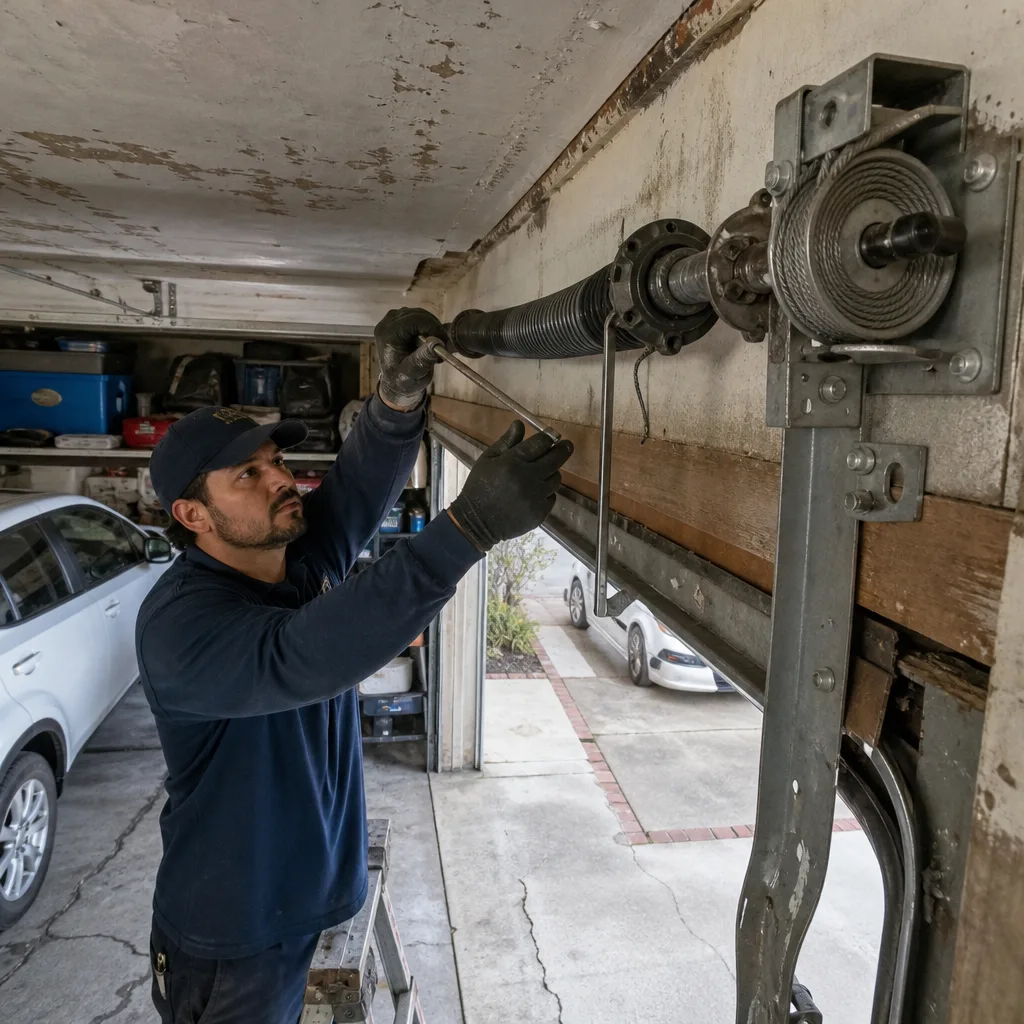 Before
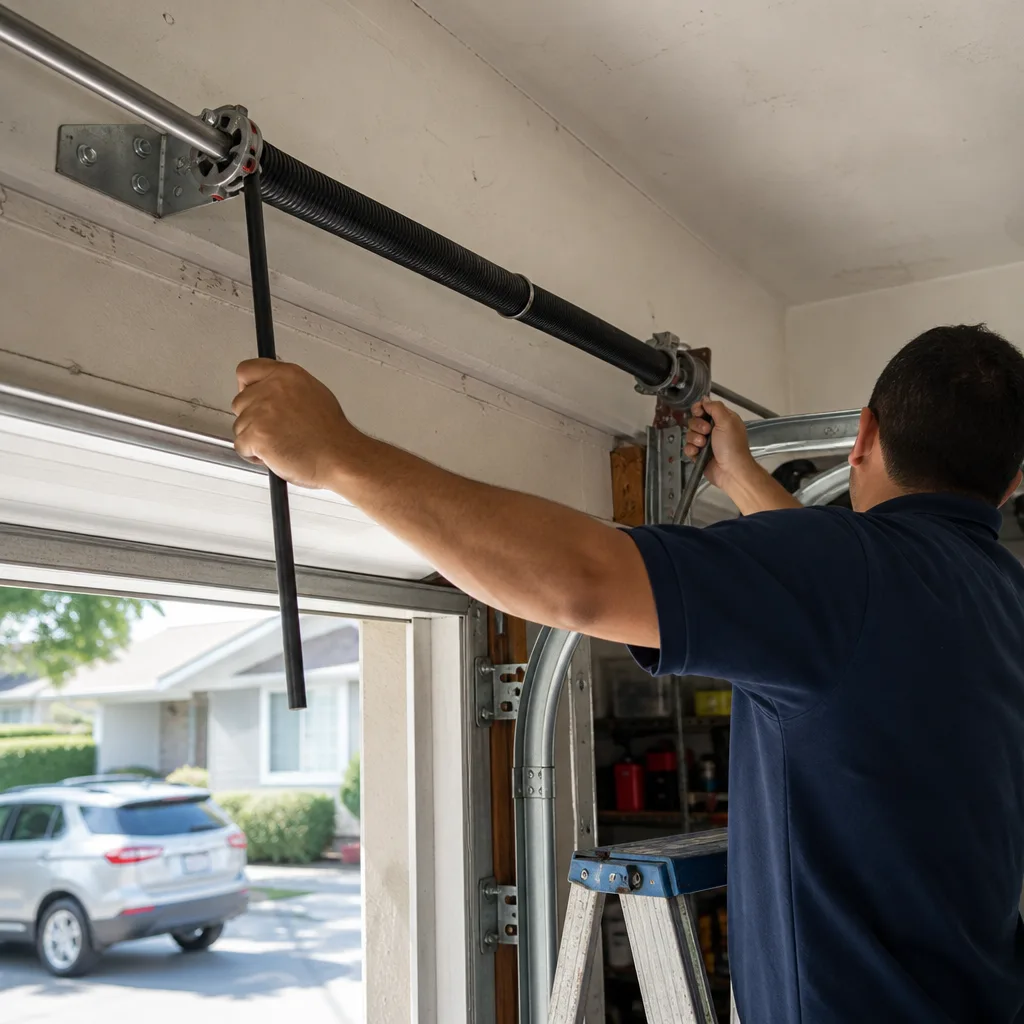 After
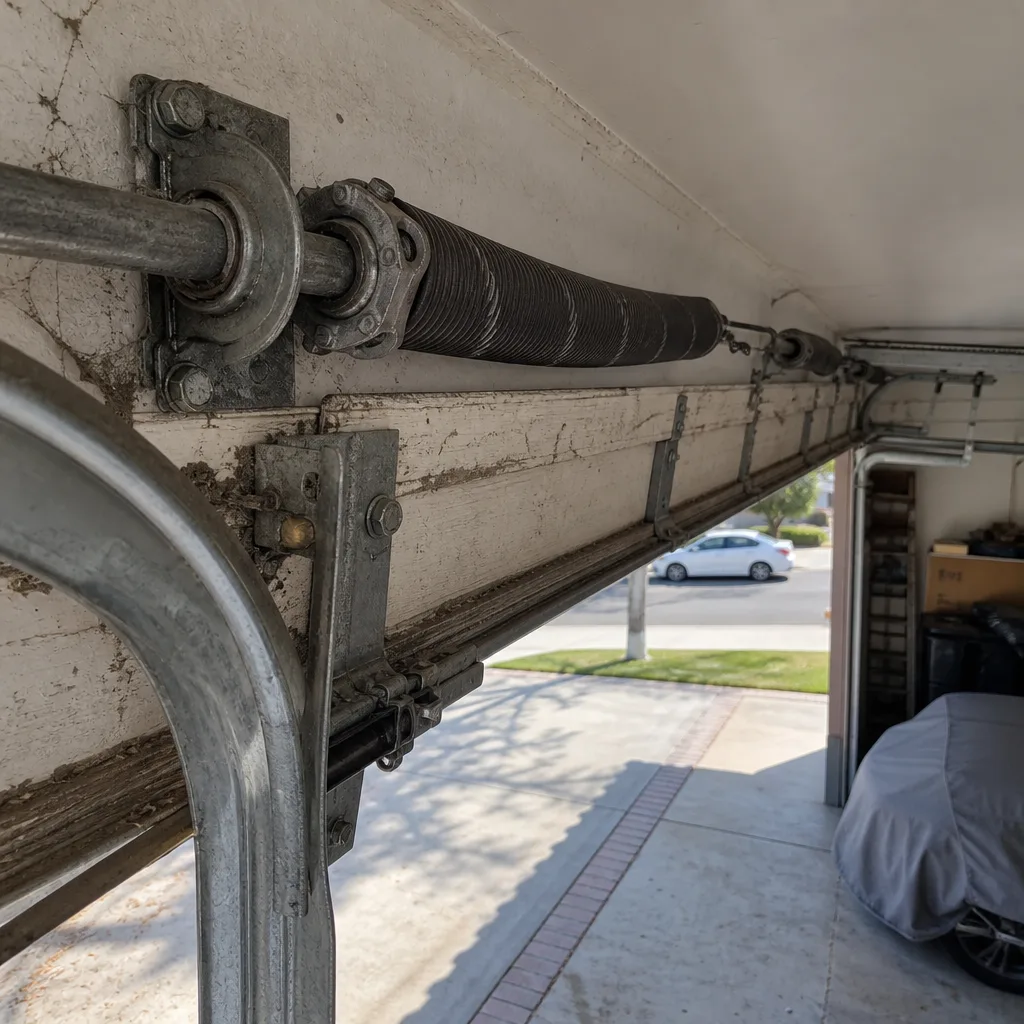 Before
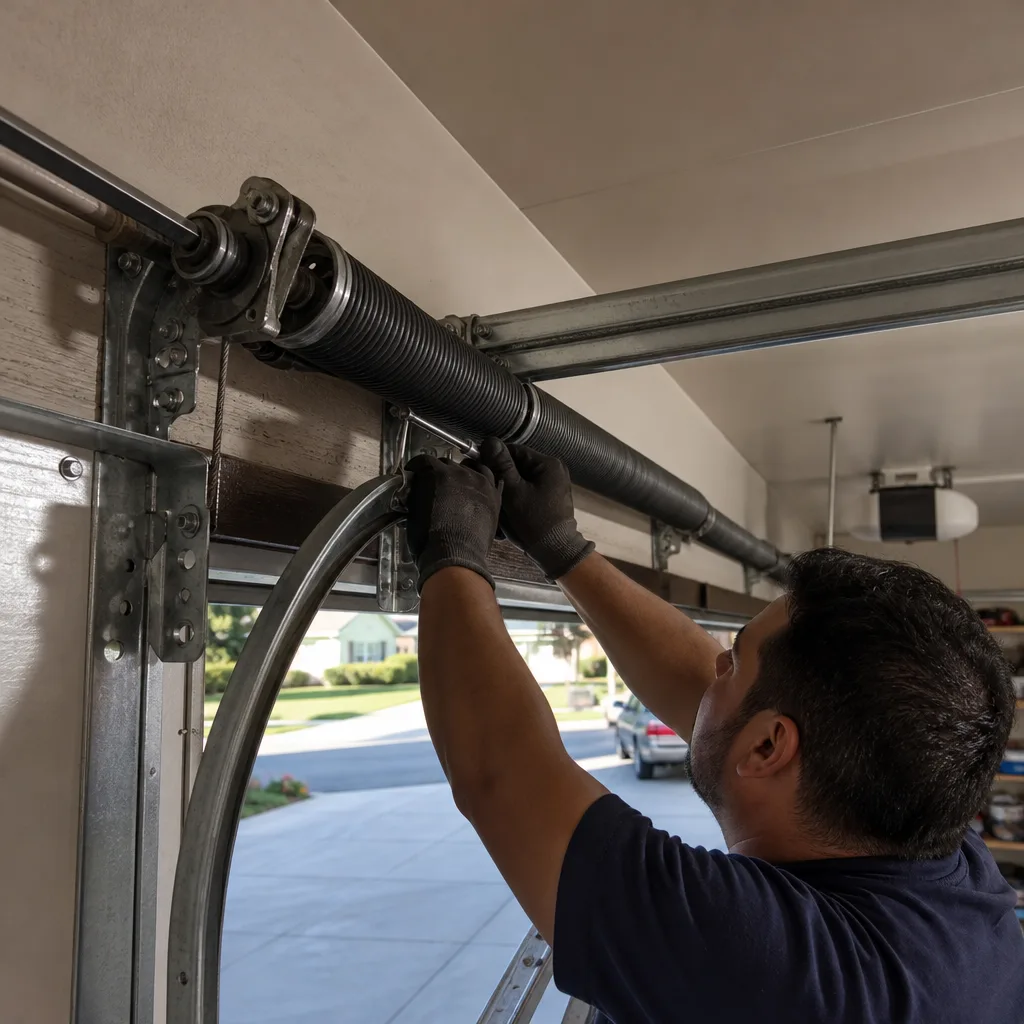 After